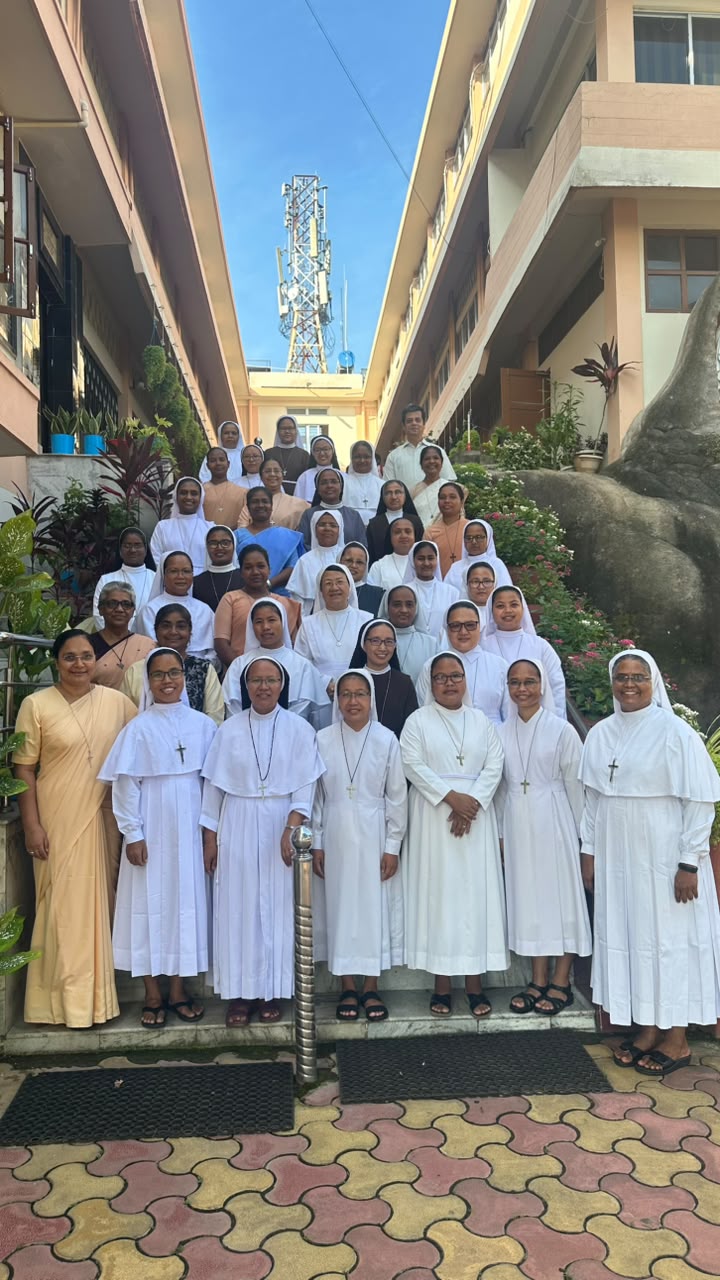
Report on the Safeguarding Workshop for Formators
“Together for Safe and Life-Giving Formation Communities”
Guwahati
17th August to 21st August 2026
The Safeguarding Workshop, “Together for Safe and Life-Giving Formation Communities,” was organized by the Safeguarding Office of Religious Women India (SRWI), a unit of the Conference of Religious Women India (CRWI) at Guwahati for five days from 17th August to 21st August 2026 for Formators in Religious Formation Houses to provide opportunities for reflection, learning, and the development of practical safeguarding skills. There were 27 participants for the workshop.
OBJECTIVES OF THE WORKSHOP
The workshop aimed to:
- Strengthen formators’ understanding of safeguarding as an integral part of their mission and responsibility to uphold human dignity.
- Promote a culture of safeguarding by enabling formators to recognize, prevent, and respond to different forms of abuse and to maintain healthy boundaries and responsible digital practices.
- Strengthen understanding and effective functioning of the Grievance Redressal Cell (GRC) of CRWI and equip formators and superiors to handle grievances confidentially and responsibly.
- Promote holistic human formation through psycho sexual maturity, authentic accompaniment, responsible authority, and safeguarding practices.
SESSIONS CONDUCTED
The workshop addressed safeguarding from biblical, pastoral, psychological, legal, relational, and practical perspectives. The major sessions included:
- Safeguarding is Our Mission: Reflected on safeguarding as an expression of Gospel values, pastoral responsibility, and respect for human dignity.
- Cultural Backgrounds and Vulnerability Factors: Explored the diverse backgrounds of formees and factors contributing to vulnerability, emphasizing sensitive and culturally aware accompaniment.
- Safeguarding and Accompaniment – Role of a Formator: Focused on active listening, trust, healthy boundaries, personal freedom, and responsible authority.
- Understanding Abuse: Created awareness of physical, emotional, psychological, sexual, spiritual, cyber abuse, and abuse of power, with emphasis on prevention and appropriate response.
- Internet Addiction and Media Education: Addressed responsible digital use, media literacy, digital boundaries, and the impact of excessive media use on formees and in formation houses.
- GRC: It’s High Time – GRC, POSH, POCSO and JJ Act
The session strengthened participants’ understanding of the Grievance Redressal Cell (GRC) and introduced the relevance of Sexual Harassment of Women at Workplace (Prevention, Prohibition and Redressal) Act, 2013 ,POSH, Protection of Children from Sexual Offences (POCSO), and the Juvenile Justice (Care and Protection of Children) Act, 2015 (JJ Act). Emphasis was placed on maintaining confidentiality, documentation, appropriate reporting, timely response, and ensuring effective and accessible grievance mechanisms for addressing grievances. - Red Flags, Risks and Protective Factors: Developed skills to recognize signs of vulnerability, distress, abuse, and unhealthy relationships, while promoting protective factors.
- Psychosexual Integration and Healthy Sexuality:Focused on psychosexual maturity, self-awareness, emotional development, healthy boundaries, and responsible choices in celibate formation.
- Safeguarding Policy, Code of Conduct and Prevention: Emphasized clear policies, responsible authority, accountability, transparency, screening, supervision, and self-care as essential preventive measures.
LEARNING OUTCOME:
The workshop resulted in increased awareness, understanding, and commitment among participants. The major outcomes and achievements included:
- Deepened understanding of safeguarding as an integral responsibility of formators and an essential dimension of healthy and life-giving formation.
- Greater awareness of the dignity, rights, vulnerabilities, and diverse backgrounds of formees, enabling participants to approach them with greater sensitivity, respect, and empathy.
- Enhanced understanding of various forms of abuse, including the misuse of authority and power, and the importance of prevention and appropriate response.
- Improved ability to recognize red flags, risk factors, and vulnerability indicators, as well as unhealthy or potentially harmful relationships.
- Greater awareness of psychosexual maturity and healthy sexuality, particularly in the context of celibate and religious formation.
- Enhanced understanding of digital safety, internet addiction, media education, and spiritual abuse, with greater awareness of their impact on formees and ways of tackling the issue with prudence, accountability and transparency .
- Improved knowledge of the Grievance Redressal Cell (GRC) and relevant legal frameworks, including POSH, POCSO, and the JJ Act, as well as appropriate and confidential reporting mechanisms.
- Strengthened commitment to preventive safeguarding, accountability, transparency, responsible authority, self-care, and the creation of safe, respectful, compassionate, and nurturing formation communities.
FOLLOW-UP ACTION PLAN
The following actions were identified for implementation after the workshop:
- Share the learning from the workshop with members of respective communities, congregations, and provinces.
- Conduct awareness programmes for novices, postulants ,candidates and aspirants on safeguarding, abuse prevention, personal safety, and reporting mechanisms.
- Integrate safeguarding into the formation syllabus, including healthy boundaries, digital safety, abuse prevention, and responsible relationships.
- Strengthen formation practices through attentive listening, accountability, transparency, healthy boundaries, and responsible accompaniment.
- Regularly review and update safeguarding practices so that safeguarding remains an ongoing dimension of formation.
- A follow up online meeting will be conducted to give a hand holding to formators who were part of the workshop to review the how the action plan was implemented and to support them so that safeguarding becomes part of formation.
In conclusion The Safeguarding Workshop, “Together for Safe and Life-Giving Formation Communities,” deepened participants’ understanding of safeguarding as an integral part of formation and pastoral responsibility. It strengthened awareness of abuse prevention, healthy relationships, digital safety, psychosexual maturity, legal safeguards, and responsible authority. The workshop encouraged participants to put their learning into practice and foster safe, respectful, accountable, compassionate, and life-giving formation communities where the dignity and well being of every formee / Sister is upheld.